
Why COI < 3.3, CRI > 95 and R9 > 90 is Important for Australia and New Zealand Hospitals?
In a hospital, getting the lighting right isn’t just about brightness—it’s about precision. The right light helps doctors and nurses spot subtle changes in a patient’s condition, make confident calls, and act fast.
Specifically, if you’ve worked on healthcare projects in Australia or New Zealand, you’ve likely seen tenders specifying COI < 3.3, CRI > 95, and R9 > 90 for LED panel lights. But what do these numbers actually mean on the floor? In fact, each one tackles a specific challenge that medical staff face every day.
1. COI < 3.3: The Gold Standard for Detecting Cyanosis
COI, or the Cyanosis Observation Index, measures how well a light source allows medical staff to detect cyanosis—that bluish tint on the skin indicating low oxygen. Notably, this isn’t just a nice-to-have feature; it is aligned with the AS/NZS 1680.2.5 standard for interior lighting in clinical areas.
In addition, spotting cyanosis early can be critical for conditions like:
- Respiratory distress
- Circulatory problems
- Post-operative complications
Therefore, when COI is kept under 3.3, the light renders skin tones more naturally. Consequently, this makes it easier for clinicians to pick up on those subtle, early signs they might otherwise miss under poorer quality hospital lighting.

2. CRI > 95: Reliable Overall Color Rendering
CRI (Color Rendering Index) is a familiar term. It tells you how accurate colors look under artificial light compared to natural daylight. However, while a CRI of 80 might be fine for a corridor or an office, clinical environments demand much more.
CRI > 95 (General Accuracy)
In a ward or exam room, high CRI lighting isn’t just about comfort. It’s about a doctor accurately assessing a rash or a nurse clearly seeing the progression of jaundice. Good hospital lighting removes the ambiguity caused by poor color rendering
Because of this, ShineLong LED panel lights with CRI > 95 provide:
- More natural and consistent skin tone appearance
- Greater accuracy during visual examinations
- Reduced eye strain for staff working long shifts
In short, in a ward or exam room, high CRI lighting isn’t just about comfort. For example, it’s about a doctor accurately assessing a rash or a nurse clearly seeing the progression of jaundice. As a result, good hospital lighting removes the ambiguity caused by poor color rendering.
3. R9 > 90: Correct Rendering of Critical Red Tones
R9 > 90 (Deep Red Rendering)
Furthermore, R9 is a specific value within the CRI framework that measures the rendering of saturated red. In a medical setting, this is non-negotiable because blood, inflammation, and healthy tissue all rely on accurate red perception.
Specifically, an R9 value greater than 90 ensures:
- Clear identification of bleeding or bruising.
- More accurate assessment of wounds and surgical sites.
- Better differentiation between healthy and abnormal tissue.
Thus, high R9 is a hallmark of true, high-quality hospital lighting. It is the difference between seeing a problem and truly understanding it.

Comparison: ShineLong vs. Industry Standards
At ShineLong, we don’t just meet these standards; we build our LED panel lights to exceed them. For instance, here’s how our specs stack up:
| Parameter | AS/NZS 1680.2.5 Requirement | ShineLong Panel Lights Performance |
|---|---|---|
| COI | ≤ 3.3 | < 2.0 |
| CRI (Ra) | ≥ 90 (Typical) | > 95 |
| R9 | High Red Content | > 90 |
| SDCM | - | < 3 (Color Consistency) |
| UGR | - | < 19 (Low Glare) |
| Efficacy | - | >125 lm/w |
In conclusion, for hospital lighting projects, ShineLong panel lights can help you meet strict technical requirements with confidence.
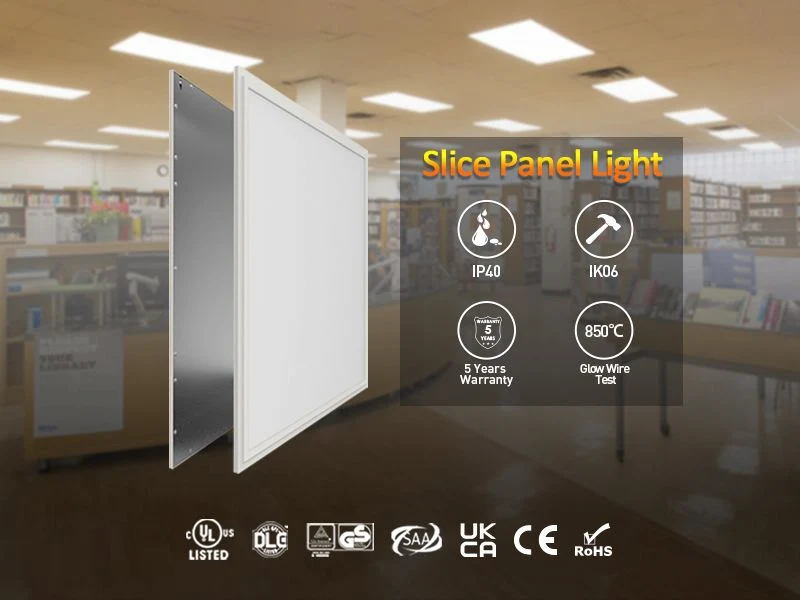
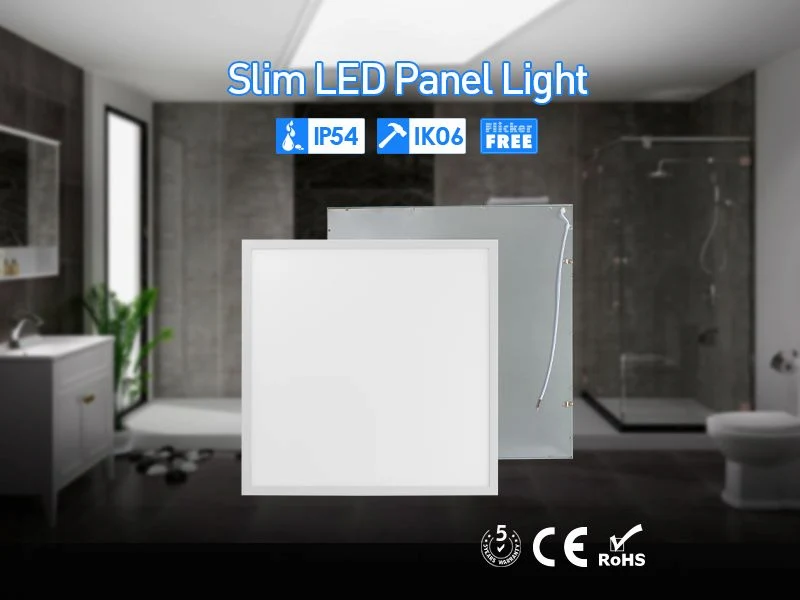
FAQ
Why do Australian hospitals require COI < 3.3?
COI measures how well light reveals cyanosis (bluish skin from low oxygen). Early detection of cyanosis is vital for spotting respiratory or circulatory issues. COI < 3.3 ensures natural skin tone rendering, helping clinicians catch early signs they might otherwise miss.
How does CRI > 95 affect patient care?
CRI indicates color accuracy. In hospitals, true color matters—whether assessing a rash or monitoring jaundice. CRI > 95 provides near-natural light, improving diagnostic accuracy and reducing eye strain for medical staff.
Why is R9 > 90 critical in medical settings?
R9 measures red color rendering. Blood, wounds, and inflammation all involve red tones. R9 > 90 ensures these critical details are clearly visible, enabling accurate assessment of bleeding, bruising, and tissue health.
Do your lights meet Australian clinical standards?
Yes. ShineLong LED panel lights comply with AS/NZS 1680.2.5, exceeding requirements for COI, CRI, and R9 – making them ideal for wards, exam rooms, and treatment areas.
What are your panel lights' key specs?
Are they suitable for ICUs or operating rooms?
While ORs need specialized surgical lights, our panels are ideal for ICUs, wards, and exam rooms—where high color accuracy and low COI support critical visual assessments.
Do they balance performance and energy efficiency?
Yes. At 125 lm/W, they deliver clinical-grade light quality while saving energy. UGR < 19 also ensures comfort for patients and staff during long hours.